Last Updated on September 23, 2026 by willowgreen
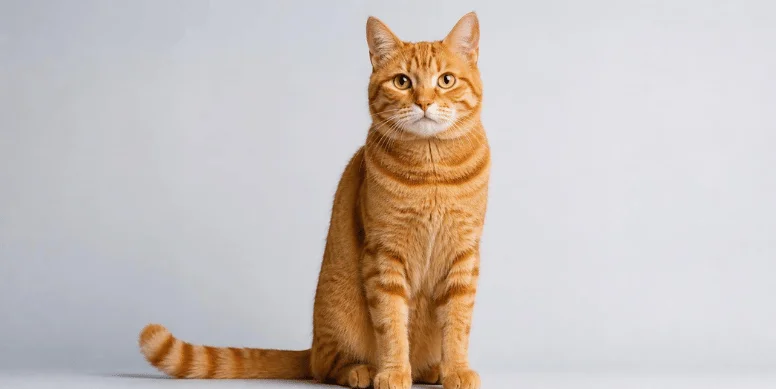
Orange cats are easy to recognize, but their coats create confusion about breed, sex, and temperament. These cats can belong to many breeds or be mixed-breed domestic cats. What unites them is orange pigment paired with visible tabby markings. Elsewhere on the site: Is peppermint oil safe for cats.
An orange tabby is not a separate breed. It is a cat with orange coloring and visible tabby markings. Modern research links this color to an X-chromosome change involving ARHGAP36, which helps explain the strong male bias. Personality and lifespan depend more on ancestry, health, environment, and individual experience.
Key Facts at a Glance
| Feature | What to know |
|---|---|
| Breed | It describes color and pattern, not a specific breed. |
| Coat | Orange, ginger, red, or cream shades with visible tabby markings |
| Common patterns | Mackerel, classic, spotted, and ticked |
| Sex | Males are considerably more common than females. |
| Genetics | Orange coloration is linked to the X chromosome. |
| Recent discovery | 2025 research identified a deletion affecting ARHGAP36. |
| Personality | Coat color does not reliably predict behavior |
| Lifespan | No separate lifespan has been established for ginger cats. |
| Care | Normal feline nutrition, enrichment, dental care, and veterinary care apply. |
TL;DR
- Ginger coloring describes a coat, not a breed.
- Most ginger cats are male because orange coloration is X-linked.
- Every orange cat shows some degree of tabby patterning.
- Coat color cannot reliably predict friendliness, intelligence, or energy.
- Health risks depend more on sex, breed, body condition, and lifestyle.
- New genetic research has clarified how the famous orange coat develops.
What Makes These Ginger Cats Different?
“Tabby” describes a coat pattern rather than a pedigree. Stripes, spots, swirls, or banded hairs can occur across many recognized breeds. Mixed-breed domestic cats can display the same markings.
Orange coloring also varies considerably between individuals. One cat may look pale cream, while another appears deep red or copper. White areas may appear alongside the ginger coat without changing the tabby classification.
UC Davis explains that sex-linked red or orange cats display tabby markings regardless of their agouti genotype. That helps explain why a seemingly solid ginger coat still reveals markings under suitable light. Facial lines and rings around the tail often make them easiest to see.
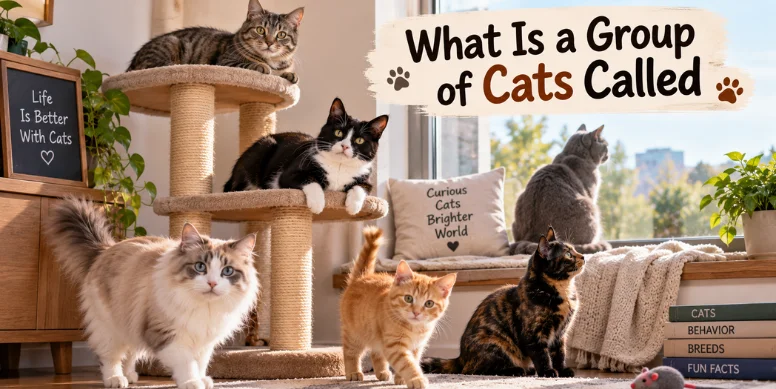
NewsPab readers curious about feline terminology can also read the guide to what a group of cats is called. It explains several common terms used for domestic cats. That background can help when reading shelter or animal-welfare material.
Why Most Orange Tabby Cats Are Male
The sex difference begins with the X chromosome. Male cats generally have one X chromosome, while females generally have two. The gene system controlling orange coloration is carried on that chromosome.
A male needs the orange-associated version on his single X chromosome to show the color. A female usually needs the relevant version on both X chromosomes to appear fully orange. That inheritance pattern makes ginger males more common than ginger females.
Many pet references describe roughly four out of five ginger cats as male. The exact ratio should not be treated as universal across every population. The genetic reason for the male bias is much better established than one fixed worldwide percentage.
Scientists made the underlying mechanism clearer in 2025. Two teams linked sex-associated orange coloration to a deletion affecting the X-linked ARHGAP36 gene. Their findings helped resolve a genetics question researchers had investigated for decades.
The Four Familiar Tabby Patterns
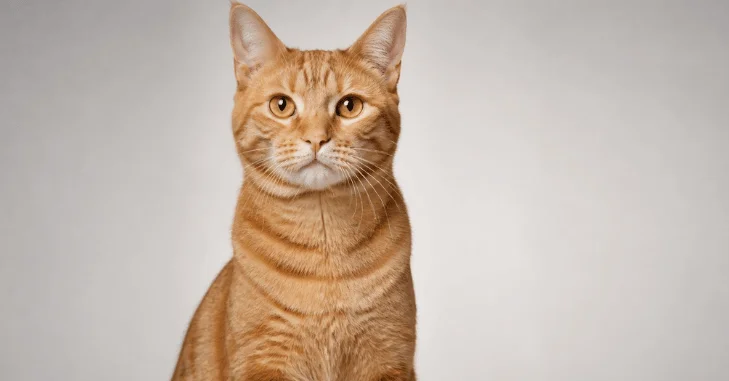
Ginger coats can display several recognizable arrangements of markings. Pattern strength varies, so two cats with similar coloring may look quite different. Lighting and coat length can also change how clearly the markings appear.
- Mackerel: Narrow vertical stripes run down the sides from the back.
- Classic: Broad curved markings create swirls or marble-like shapes.
- Spotted: Bands are broken into spots of different sizes.
- Ticked: Individual hairs are banded, creating a softer patterned appearance.
Many tabbies also display an “M” shape across the forehead. This marking comes from the arrangement of facial patterning rather than a separate breed trait. It can appear more sharply on some cats than on others.
Are Ginger Cats Friendlier?
Online culture often portrays ginger cats as outgoing, affectionate, hungry, or comically reckless. Those stereotypes can be entertaining, but coat color is a poor behavioral test. Individual history and socialization matter far more when predicting a cat’s behavior.
One owner-survey study found that participants perceived orange cats as friendly, calm, and trainable. However, only 16 orange cats appeared in that color group. Owner perceptions also cannot prove that coat genes caused those behaviors.
A cat’s temperament develops through genetics, early experiences, health, handling, and living conditions. Sex and neuter status may also affect certain behaviors. You should evaluate the individual animal rather than expecting a personality based on fur.
Does Coat Color Affect Lifespan?
Researchers have not established a unique lifespan for ginger cats. Breed background, body condition, disease, veterinary care, and living conditions are more useful predictors. This means broad claims about a special ginger-cat lifespan deserve caution.
A 2024 VetCompass study examined 7,936 cat deaths recorded by participating veterinary practices in the United Kingdom. Overall life expectancy at birth was 11.74 years in that population. The study did not establish a separate figure based on orange coloring, and its population was not American.
The useful lesson for U.S. owners is simpler. Healthy weight, preventive care, safe living conditions, and prompt treatment influence long-term welfare. Coat color alone should not guide health expectations.
Health and Everyday Care
Ginger coloring does not create a special diet requirement. Feed according to age, body condition, activity, and veterinary recommendations. Portion control matters because excess weight can contribute to serious health problems.
Cornell identifies obesity as a major nutritional disorder among domestic cats. Excess weight can worsen conditions including diabetes and joint disease. Regular weight checks can reveal gradual changes that are easy to miss at home.
Dental care also deserves attention regardless of coat color. Cornell reports that dental disease affects many cats older than four years. Veterinary examinations and appropriate home dental care can reduce preventable discomfort.
A practical routine should include the following.
- Balanced food suited to the cat’s life stage.
- Fresh water available every day.
- Regular veterinary examinations.
- Appropriate vaccination and parasite prevention.
- Dental monitoring and veterinarian-approved home care.
- Daily play and hunting-style enrichment.
- Clean litter boxes in suitable locations.
- Safe resting areas and vertical spaces.
- Weight and body-condition monitoring.
- Prompt evaluation of unusual behavior or symptoms.
Indoor living removes several outdoor hazards, but an indoor home still needs enrichment. Feline veterinary guidance recommends resting areas, play, vertical territory, toileting resources, and simulated hunting opportunities. These resources support both physical activity and behavioral welfare.
Because ginger males are common, owners should also recognize urinary-emergency signs. Male anatomy increases the risk of urethral obstruction compared with female anatomy. Straining repeatedly while producing little urine requires immediate veterinary attention.
Can Different Cat Breeds Have Orange Coats?
Yes, many pedigreed and mixed-breed cats can have ginger tabby coloring. The coat description alone cannot tell you a cat’s ancestry. Body size, hair length, facial structure, and temperament can therefore differ widely.
Maine Coons are one example of a recognized breed that can appear in red tabby colors. Readers interested in that breed can see NewsPab’s Maine Coon cat guide. Breed-specific health and grooming needs should always be considered separately from coat color.
What Coat Color Can and Cannot Tell You
Coat appearance contains some useful genetic information, but its predictive value has limits. Separating those two ideas prevents common myths from turning into health assumptions. The comparison below offers a quick reference.
| Coat color can help indicate | Coat color cannot reliably tell you |
|---|---|
| Presence of orange pigmentation | Whether a cat will be affectionate |
| Visible tabby patterning | Intelligence or trainability |
| Sex-linked inheritance | Exact breed ancestry |
| Greater likelihood of being male | Expected adult weight |
| Certain coat-genetics relationships | Individual lifespan |
| Pattern type | Future medical problems |
This distinction matters when adopting from a U.S. shelter or rescue. Appearance can help you describe an animal, but behavior requires individual assessment. Medical decisions should come from history, examination, and veterinary advice.
Frequently Asked Questions
Is an Orange Tabby a Breed?
No, the term describes a coat color combined with tabby markings. Many breeds and mixed-breed cats can have this appearance. Breed identity requires more information than coat color alone.
Are All Orange Cats Male?
No, females can also be fully ginger. Males are more common because the relevant color genetics are X-linked. A female generally needs the orange-associated version on both X chromosomes.
Are All Orange Cats Tabbies?
Orange cats normally show tabby patterning to some degree. UC Davis notes that sex-linked red or orange cats display the pattern regardless of agouti status. Some markings can appear faint rather than strongly striped.
Why Do Ginger Cats Have an “M” on Their Forehead?
The familiar “M” comes from the facial arrangement of tabby markings. It is part of the coat pattern rather than evidence of a particular breed. Its visibility differs with color contrast and individual patterning.
Are Ginger Cats More Affectionate?
Coat color does not guarantee a friendly temperament. Owner surveys have reported perceived differences, but those findings have important limitations. Socialization, genetics, experiences, health, and environment provide more useful behavioral context.
Do Ginger Cats Need Special Care?
They need the same core preventive care as other domestic cats. Their age, sex, breed background, medical history, and lifestyle should shape specific recommendations. Your veterinarian can tailor nutrition and preventive care to the individual animal.
The Takeaway for Cat Owners
The famous ginger coat has more science behind it than its cheerful appearance suggests. Recent genetics research explains the color and male bias with far greater detail than older theories. It does not support treating coat color as a shortcut for personality or health.
Focus on the cat in front of you rather than the stereotype. Learn its habits, maintain a healthy body condition, provide enrichment, and schedule appropriate veterinary care. Those choices matter much more than whether the coat is striped orange, spotted, or softly ticked.
For more feline guides and practical pet information, browse the NewsPab Pets section. You can use those related articles to build broader knowledge about cat terminology, breeds, and daily care. Good information makes it easier to notice what is normal for your own cat.