Last Updated on October 15, 2026 by beverlyparker
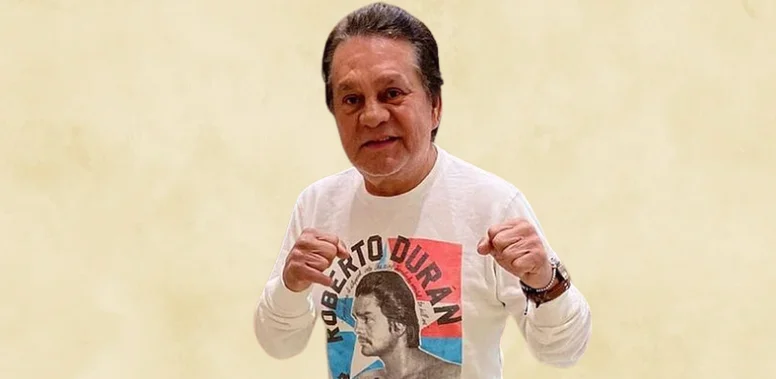
Roberto Duran remains one of boxing’s most recognizable champions decades after his final professional fight. The Panamanian fighter won world championships across four weight divisions during an extraordinary career. His pressure, defense, punching power, and fierce rivalries made “Hands of Stone” a lasting boxing icon. Elsewhere on the site: Tilda Swinton and Anthony Hopkins.
Roberto Duran is a retired Panamanian boxer born on June 16, 1951. He finished with 103 wins and 16 losses, including 70 knockouts. He captured world championships from lightweight through middleweight and fought professionally across five decades.
Roberto Duran at a Glance
| Fact | Details |
|---|---|
| Full name | Roberto Carlos Durán Samaniego |
| Date of birth | June 16, 1951 |
| Age in 2026 | 75 |
| Nationality | Panamanian |
| Height | About 5 feet 7 inches |
| Boxing stance | Orthodox |
| Nickname | Manos de Piedra, or “Hands of Stone” |
| Professional record | 103 wins, 16 losses |
| Knockouts | 70 |
| Professional bouts | 119 |
| World-title divisions | Lightweight, welterweight, light middleweight, middleweight |
| International Boxing Hall of Fame | Inducted in 2007 |
From Panama to a World Championship
Durán grew up in El Chorrillo, a working-class neighborhood in Panama City. Money was scarce, and boxing offered him an opportunity beyond his difficult surroundings. He began learning the sport while still young and entered professional boxing as a teenager.
His early career quickly revealed an unusual combination of aggression and technical skill. He could pressure opponents without simply charging forward and absorbing punches. His balance, timing, defense, and ability inside close range separated him from ordinary power punchers.
His major breakthrough arrived against Scotland’s Ken Buchanan at Madison Square Garden in 1972. Durán stopped Buchanan in the 13th round to capture the WBA lightweight championship. That victory began the championship period that established his international reputation.
Why “Hands of Stone” Became Such a Dangerous Fighter
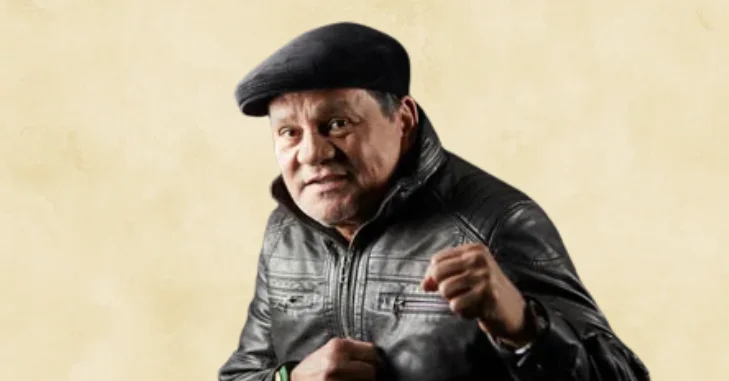
The nickname “Manos de Piedra” translates to “Hands of Stone” in English. Punching power certainly helped create that reputation, but his fighting ability went much further. He understood positioning and could make small defensive movements while remaining close enough to counter.
Durán was especially dangerous when opponents became trapped near the ropes. He attacked the body, changed angles, and created openings rather than throwing punches without purpose. His pressure often forced opponents into the type of fight he preferred.
That combination helped him dominate much of the lightweight division during the 1970s. He made 12 successful defenses of his lightweight championship after defeating Buchanan. Victories over fighters including Esteban De Jesús strengthened his standing among the era’s elite competitors.
Roberto Duran Record and Championship Achievements
The Roberto Duran record finished at 103 victories against 16 defeats across 119 professional bouts. The International Boxing Hall of Fame credits him with 70 knockout victories. His career also stretched across five decades, giving his record unusual historical depth.
His accomplishments became more impressive as he moved into heavier divisions. He captured recognized world championships at lightweight, welterweight, light middleweight, and middleweight. Moving successfully through those divisions required adapting to larger and physically stronger opponents. Anyone who reads breakdowns of recent Canelo fights will recognize how demanding those jumps in weight can be.
The lightweight championship remains central to his legacy, but later victories changed how his career was viewed. Winning major titles above lightweight showed that his success was not limited to one division. His ability to remain competitive as he aged added another dimension to his career.
The Sugar Ray Leonard Rivalry
Durán’s rivalry with Sugar Ray Leonard became one of the defining stories of 1980s boxing. Their personalities and fighting styles created a compelling contrast for American boxing audiences. Leonard was fast and polished, while Durán brought relentless pressure and extensive professional experience.
Their first meeting occurred in Montreal on June 20, 1980. Durán pressured Leonard through a demanding 15-round fight and earned a unanimous decision. The victory gave him the WBC welterweight championship and became one of his signature achievements.
The result mattered because Leonard entered the fight undefeated and already enjoyed major recognition in the United States. Durán had moved beyond his celebrated lightweight reign to defeat an elite welterweight champion. The performance remains essential to understanding his place in boxing history.
What Happened in the “No Más” Fight?
The rematch took place in New Orleans on November 25, 1980. Leonard changed his approach and relied more heavily on movement, speed, and frustration tactics. Durán stopped fighting during the eighth round, creating one of boxing’s most debated moments.
The episode became widely known as the “No Más” fight. Reports associated the Spanish phrase for “no more” with Durán’s decision to stop. Durán later disputed the familiar version of exactly what he said during the bout.
The controversy followed him for years because it contrasted sharply with his established image. Yet his career did not end in New Orleans, despite the damage to his reputation. His later championship victories provided a powerful response inside the ring.
How Durán Rebuilt His Career After Leonard
Durán eventually moved into the light middleweight division and pursued another championship. On his 32nd birthday in 1983, he faced Davey Moore at Madison Square Garden. Durán stopped Moore in eight rounds and captured the WBA light middleweight title.
Later that year, he challenged middleweight champion Marvin Hagler. Durán lost the 15-round decision, but lasting the distance against the larger champion showed his continued competitiveness. The fight also connected him directly with another member of boxing’s celebrated “Four Kings.”
Thomas Hearns delivered a major setback in 1984 by stopping Durán in the second round. That defeat could have marked the closing stage of his championship career. Instead, Durán eventually produced one of his most memorable late-career victories.
The Iran Barkley Victory
Durán faced Iran Barkley for the WBC middleweight championship in Atlantic City during February 1989. He entered the fight well beyond the age when most lightweight champions remain elite. Barkley also represented a naturally larger challenge for the former lightweight king.
Durán won a 12-round split decision and captured the middleweight championship. The victory came almost 17 years after his first major world championship against Buchanan. That extraordinary gap illustrates the length and adaptability of his career.
The Barkley win also changed the narrative surrounding his later years. He was no longer remembered only for what happened against Leonard in New Orleans. He had again defeated a world champion while competing far above his original championship weight.
Durán and Boxing’s “Four Kings”
Boxing fans often connect Durán with Sugar Ray Leonard, Marvin Hagler, and Thomas Hearns. The four champions became known collectively as the “Four Kings” of their era. Their interconnected fights helped define elite boxing during the 1980s.
Durán fought all three of the other fighters in that celebrated group. He defeated Leonard once but lost their next two meetings. He also went the distance with Hagler and suffered a knockout loss against Hearns.
Those results show both the triumphs and limitations of his career. He did not dominate every great opponent he encountered. Yet his willingness to face elite fighters across several weight divisions strengthened the historical importance of his résumé.
When Did Roberto Durán Retire?
Durán continued competing long after his championship peak had passed. His final professional bout came against Héctor Camacho in July 2001. He lost by unanimous decision, ending a professional journey that had started more than three decades earlier.
A serious automobile accident later in 2001 contributed to the end of his boxing career. He formally retired in 2002 rather than attempting another return. His final record remained 103 wins and 16 losses across 119 bouts.
The International Boxing Hall of Fame inducted him in 2007. That honor formally placed him among the sport’s historically significant fighters. His career continues to attract new viewers through archived fights, documentaries, books, and films.
Roberto Durán in Movies and Popular Culture
Durán’s story has reached audiences far beyond boxing fans. The 2016 biographical film Hands of Stone dramatized his life and relationship with trainer Ray Arcel. Édgar Ramírez portrayed Durán, while Robert De Niro played Arcel.
ESPN also explored the Leonard rivalry through its 30 for 30 documentary No Más. The documentary revisited both 1980 fights and the questions surrounding the controversial rematch. That continuing attention shows how one rivalry became part of broader American sports culture.
Durán himself also appeared in entertainment projects during his career. Yet his cultural identity remains tied most closely to boxing and Panama. For generations of fans, “Hands of Stone” immediately identifies one of the sport’s most distinctive champions.
Why Roberto Durán Still Matters
Statistics explain only part of Durán’s enduring appeal. His 103 victories, four championship divisions, and long career provide an impressive foundation. His fighting style gives those numbers their deeper meaning.
He could attack aggressively while using sophisticated defensive movements at close range. Modern fighters and trainers can still study his positioning, body punching, feints, and inside work. Those technical qualities help his fights remain relevant decades later.
His career also resisted a simple storyline. There were dominant victories, damaging defeats, controversy, comebacks, and championships at increasingly difficult weights. That complexity makes his story more interesting than an undefeated record could provide.
Frequently Asked Questions About Roberto Duran
How old is Roberto Durán?
Durán was born on June 16, 1951, making him 75 years old in September 2026. His professional career began while he was still a teenager. He remained active professionally until age 50.
What was Roberto Duran’s boxing record?
The Roberto Duran professional record was 103 wins and 16 losses from 119 bouts. The International Boxing Hall of Fame lists 70 knockout victories. His career extended across five decades of professional competition.
How many world championships did Durán win?
He won recognized world championships across four different weight divisions. Those divisions were lightweight, welterweight, light middleweight, and middleweight. His movement through those classes became a defining part of his legacy.
Why was Durán called “Hands of Stone”?
His Spanish nickname was “Manos de Piedra,” which translates as “Hands of Stone.” The name reflected his reputation for unusually damaging punching power. His technical skill and pressure fighting were equally important to his success.
Did Durán really say “No Más”?
The phrase became permanently associated with his 1980 rematch against Sugar Ray Leonard. Durán stopped fighting during the eighth round, but he later disputed saying those exact words. The precise wording remains debated even though the stoppage itself is undisputed.
Did Roberto Durán beat Sugar Ray Leonard?
Yes, Durán defeated Leonard by unanimous decision in their first fight in June 1980. Leonard won their November 1980 rematch after Durán stopped during round eight. Leonard also won their third meeting by unanimous decision in 1989.
The Lasting Legacy of “Hands of Stone”
Durán’s legacy rests on far more than one famous rivalry or controversial defeat. He became a world champion in four divisions and compiled more than 100 professional victories. Few boxing careers combine that longevity with victories against opponents from several generations.
For U.S. fans discovering his career today, the 1980 Leonard fights provide an obvious starting point. His lightweight title defenses and victory over Iran Barkley reveal much more about his abilities. Watching those different periods shows how his style evolved against changing opponents.
His career ultimately tells a story of skill, ambition, setbacks, and remarkable endurance. “Hands of Stone” became a boxing nickname recognized far beyond Panama. Decades after his retirement, his fights remain essential viewing for anyone studying boxing history.
—