Last Updated on March 23, 2026 by Bisma Sehar
After mold remediation, ensuring the mold doesn’t return requires a combination of vigilant maintenance and proper prevention measures. Mold thrives in damp, humid environments, and preventing its growth relies on addressing the root causes of moisture and humidity. Here are key steps to prevent mold growth after remediation:
1. Control Moisture and Humidity
Moisture control is the most important factor in preventing mold growth.
- Fix Leaks and Water Issues: Inspect your home for any leaks in the roof, walls, windows, or plumbing. Ensure that any water damage is promptly repaired, as standing water or persistent moisture can promote mold growth.
- Use Dehumidifiers: If your home is prone to high humidity levels, especially in areas like basements or bathrooms, use a dehumidifier to maintain indoor humidity below 50%. This will make it harder for mold to thrive.
- Improve Ventilation: Proper airflow helps keep surfaces dry. Ensure that areas prone to moisture, such as bathrooms, kitchens, and laundry rooms, are well-ventilated. Use exhaust fans to remove moisture-laden air and increase ventilation in enclosed spaces.
2. Monitor Indoor Humidity Levels
Regularly checking and controlling humidity levels can help prevent mold from taking hold.
- Use Hygrometers: A hygrometer is a tool that measures indoor humidity. Use it to monitor humidity levels in various parts of your home, especially in areas that previously had mold issues.
- Maintain Ideal Humidity Levels: Keeping indoor humidity between 30% and 50% is ideal for preventing mold growth. Adjust the use of dehumidifiers, air conditioners, and heaters to help maintain this balance.
3. Ensure Proper Drainage
Good drainage helps prevent water accumulation that could lead to mold growth.
- Check Gutters and Downspouts: Ensure that gutters and downspouts are clean and direct water away from your home. Clogged gutters can cause water to seep into walls and foundations, creating conditions for mold to grow.
- Grade the Ground Properly: Make sure the ground around your home is sloped to direct water away from the foundation. Poor grading can lead to water pooling near the house, which can seep into the basement or crawlspace and lead to mold.
4. Insulate Properly to Prevent Condensation
Condensation can lead to moisture accumulation, providing a breeding ground for mold.
- Insulate Cold Surfaces: Pipes, windows, roofs, and walls that are prone to condensation should be properly insulated to prevent moisture buildup.
- Use Storm Windows: Installing storm windows helps reduce condensation on glass, especially in colder climates. If condensation forms on windows, wipe it off promptly.
5. Use Mold-Resistant Products
In areas previously affected by mold, consider using materials that are resistant to mold.
- Mold-Resistant Drywall and Paint: If you’re remodeling or rebuilding after mold remediation, use mold-resistant drywall or greenboard, which is designed to resist mold growth. Additionally, use mold-resistant paint on walls in areas prone to dampness, such as basements or bathrooms.
- Mold-Inhibiting Additives: You can add mold-inhibiting solutions to paint or other surface treatments to create an additional layer of protection.
6. Regularly Inspect Vulnerable Areas
Conduct regular inspections of areas prone to mold growth to detect problems early.
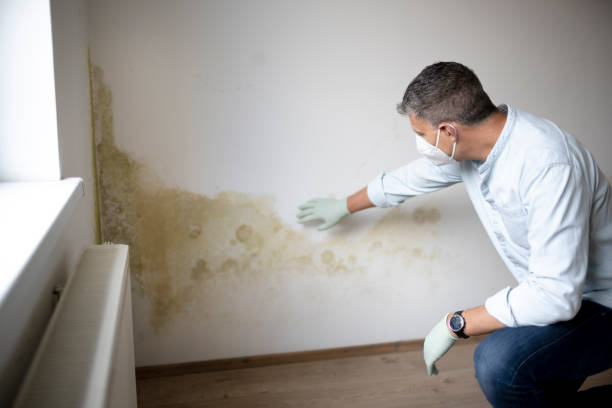
- Inspect High-Risk Areas: Check basements, bathrooms, kitchens, and crawlspaces for signs of moisture or mold growth. Look for discoloration on walls, ceilings, or flooring, as these can indicate the presence of mold.
- Use Your Senses: Mold often has a musty odor. Pay attention to any unusual smells that may suggest moisture problems or mold returning.
7. Address Mold Issues Promptly
If mold does start to grow, addressing it quickly can prevent widespread infestation.
- Clean Up Spills Immediately: Any water spills or leaks should be cleaned up immediately to avoid moisture seeping into surfaces. If standing water is allowed to sit for too long, mold can begin to form within 24-48 hours.
- Handle Mold-Prone Areas with Care: When cleaning areas prone to mold, use mold-specific cleaning solutions, especially in bathrooms and kitchens where moisture is present. Regularly clean tile grout, shower curtains, and any surfaces exposed to moisture to prevent mold from gaining a foothold.
8. Maintain HVAC Systems
Proper maintenance of HVAC systems can improve air quality and reduce the risk of mold.
- Clean Air Ducts: Mold spores can spread through the air via HVAC systems. Regularly cleaning and servicing air ducts can help prevent mold from circulating throughout your home.
- Replace Filters Regularly: Change air filters in your HVAC system frequently to ensure good airflow and prevent the buildup of dust and mold spores. Consider using HEPA filters, which are designed to capture mold spores more effectively.
9. Manage Outdoor Landscaping
Outdoor conditions can influence the likelihood of indoor mold growth.
- Trim Vegetation Away from the Home: Keep plants, shrubs, and trees trimmed so that they don’t touch the house. This reduces the amount of moisture that could seep into walls or foundations.
- Avoid Mulching Against the Foundation: Mulch can retain moisture and encourage mold growth near your home’s foundation. Instead, leave a gap between mulch and your foundation or use alternative landscaping materials.
10. Educate Household Members
Everyone in your household should be aware of the importance of preventing mold.
- Develop Good Habits: Encourage practices such as promptly drying up spills, running ventilation fans during showers, and avoiding overwatering indoor plants.
- Share the Knowledge: Make sure everyone knows the signs of mold growth and understands the importance of moisture control. The more vigilant everyone is, the less likely mold will have a chance to grow.
Conclusion: Preventing Mold Growth Post-Remediation
Preventing mold from growing after remediation requires diligence in controlling moisture, humidity, and airflow. By taking proactive steps like improving ventilation, fixing leaks, managing humidity levels, and using mold-resistant materials, you can greatly reduce the likelihood of mold returning. Regular inspections, prompt action on any new moisture problems, and educating your household on mold prevention best practices are also key to maintaining a mold-free environment in your home.
Apart from that if you want to know about “Emergency Roof Repair in Tampa: Rapid Response for Urgent Situations” then please visit our “Home Improvement” Category.