
Last Updated on November 14, 2026 by henryriley
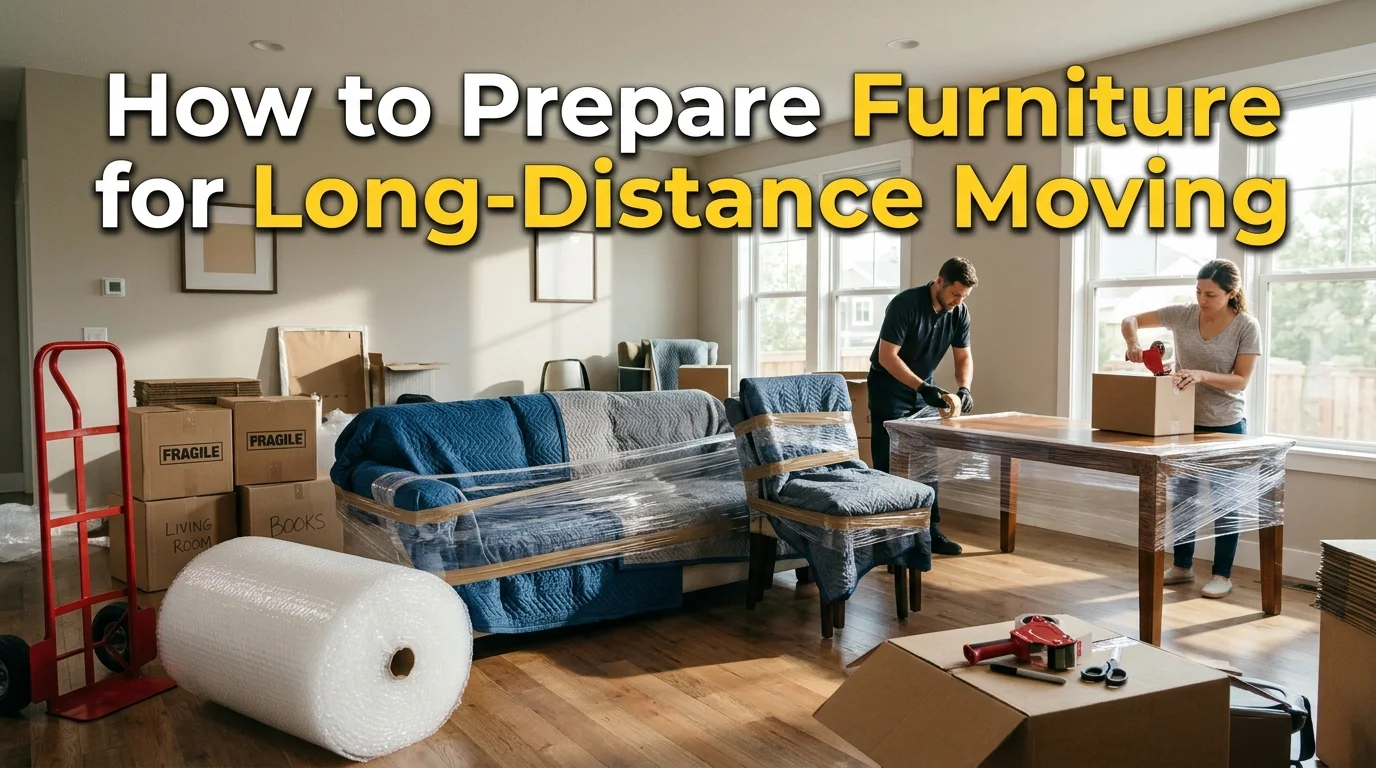
A cross-country relocation exposes large household pieces to repeated lifting, vibration, stacking, and changing weather conditions. Learning how to prepare furniture for long-distance moving helps reduce scratches, broken parts, and missing hardware. The safest approach is to inspect, clean, disassemble, wrap, label, and secure each piece before moving day.
Direct answer: Prepare large household pieces by cleaning them, photographing their condition, removing detachable parts, and protecting vulnerable surfaces. Keep hardware in labeled bags, cushion corners, wrap each piece with suitable materials, and secure heavy items inside the truck. Measure doorways and plan the carrying route before lifting begins.
Quick Furniture Moving Preparation Checklist
| Task | What to Do | Why It Matters |
|---|---|---|
| Decide what to move | Compare condition, usefulness, size, and replacement value | Avoids transporting unwanted pieces |
| Measure | Check the item, doors, stairs, elevators, and hallways | Prevents access problems |
| Photograph | Take clear pictures from several angles | Creates a condition record |
| Clean and dry | Remove dust, moisture, crumbs, and debris | Protects finishes during wrapping |
| Disassemble | Remove safe, detachable components | Reduces size and breakage risk |
| Organize hardware | Label screws, bolts, brackets, and instructions | Makes reassembly easier |
| Wrap surfaces | Use blankets, paper, foam, cardboard, or suitable covers | Reduces rubbing and impact damage |
| Protect corners | Add corner guards or folded cardboard | Shields common impact points |
| Label pieces | Mark room, item, and component number | Speeds unloading and reassembly |
| Secure the load | Use appropriate straps and stable placement | Limits movement during transit |
What You’ll Need Before Packing Large Pieces
Gather your supplies before taking anything apart. Searching for tape or hardware bags halfway through disassembly creates avoidable confusion. Having everything nearby also helps you finish one piece before starting another. Useful supplies are listed below.
* Moving blankets or furniture pads. * Corrugated cardboard sheets. * Packing paper. * Foam padding. * Bubble cushioning for suitable surfaces. * Stretch wrap. * Corner protectors. * Packing tape. * Resealable bags. * Permanent markers. * Labels or painter’s tape. * Screwdrivers and Allen keys. * Adjustable wrench. * Pliers. * Measuring tape. * Furniture dolly. * Moving straps. * Ratchet straps for the truck. * Work gloves. * Closed-toe footwear.
Choose materials according to the surface you are protecting. FedEx advises placing a protective layer between delicate finishes and bubble wrap or tape. That precaution helps prevent adhesive marks and surface damage during shipping.
How to Prepare Furniture for Long-Distance Moving in 9 Steps
1. Decide Which Pieces Are Worth Moving
Start by deciding what deserves space on the truck. Consider condition, dimensions, usefulness, and whether each item fits your new home. Large pieces can take up a lot of space during a cross-country move. Measure rooms at your destination when possible. Compare those measurements with sofas, tables, beds, and storage units before packing.
Selling or donating unsuitable items can reduce unnecessary handling. If you are still choosing professional help, review NewsPab’s coverage of cross-country moving services. NewsPab also has a separate overview of moving-company options. Compare any older company information with current registration and service details before booking.
2. Measure the Item and Its Exit Route
Measure the height, width, and depth of every bulky piece. Then measure doors, stairways, elevators, halls, and tight turns along the route. A sofa that fits the truck still needs to leave your home safely. Plan how each item will turn through narrow areas.
Remove an interior door only when it’s safe and necessary. Protect nearby walls and railings before moving anything heavy. The Home Depot also recommends measuring couches and mapping their route before moving them. This planning can reveal whether a larger doorway or different exit is needed.
3. Photograph and Inspect Everything
Take clear photographs before wrapping begins. Capture the front, back, sides, legs, corners, and any existing marks. Keep those pictures with your moving records. While taking photos, inspect joints, handles, shelves, and other weak areas. Tighten appropriate hardware before packing, unless that component will be removed.
Do not hide existing damage beneath wrapping without documenting it first. Photos also help during reassembly. You can check where brackets, shelves, cables, or removable components originally belonged. They provide a useful reference after several days of travel.
4. Empty, Clean, and Completely Dry Each Piece
Remove items from desks, cabinets, nightstands, and shelving before transport. Loose contents add weight and can shift inside drawers or compartments. Empty units are usually easier to handle safely. Vacuum upholstery and remove crumbs from seams.
Wipe hard surfaces with a cleaner suitable for their material. Allow every cleaned surface to dry fully before covering it. Moisture trapped beneath protective materials can create stains or other problems. Ship Smart also recommends cleaning pieces before shipping and removing contents from drawers and cabinets.
5. Disassemble What Was Designed to Come Apart

Remove legs, shelves, bed rails, headboards, table leaves, and other detachable components when appropriate. Smaller components are easier to carry through doors and around corners. Disassembly can also protect protruding sections from impact. Do not force antique joinery or unfamiliar mechanisms apart. Use manufacturer instructions when available.
Consider professional handling for fragile, valuable, or unusually constructed pieces. Take pictures during each stage. Those images create a simple visual reassembly guide. Keep related components together whenever practical.
6. Bag, Label, and Control Every Piece of Hardware
Place screws, bolts, washers, brackets, and fasteners in resealable bags. Give each bag a clear item name and component description. Avoid combining hardware from several unrelated pieces. Attach the closed bag to the wrapped item when safe.
Never place strong adhesive directly on a delicate finish. You can also keep all hardware bags inside one clearly marked moving box. Create a simple numbering system for complicated pieces. For example, mark table legs as A1 through A4. Match those numbers with photographs or assembly notes.
7. Wrap According to the Material
Different surfaces need different protection. A wooden table, fabric sofa, glass panel, and leather chair should not receive identical wrapping. Choose cushioning based on abrasion, pressure, moisture, and breakage risks. For finished wood, place a soft protective layer against the surface first. Add moving blankets or pads before securing the covering. Avoid placing packing tape directly against finished surfaces. For upholstery, remove cushions when practical and protect them separately.
Use a suitable cover that keeps dirt away during loading. Avoid leaving loose plastic where it can snag during handling. For glass or mirrors, remove the panel when the design allows. Pad it carefully and keep it upright during transport. Mark the package clearly so loaders know it contains glass.
8. Protect Corners, Legs, and Other Impact Points
Corners often hit door frames, walls, ramps, or neighboring cargo first. Add corner guards, foam, or folded corrugated cardboard before the final wrap. Give extra attention to exposed legs and decorative trim. Wrap detached legs individually.
Keep them with the main item or in a clearly identified package. Do not allow narrow components to move freely inside the truck. North American Van Lines recommends moving blankets, corner protection, cardboard, and stretch wrap for long-distance transport. It also advises securing major pieces inside the vehicle with suitable straps.
9. Label, Load, and Secure the Truck Carefully
Label every wrapped piece with its destination room. Add component numbers when several packages belong to the same item. Clear labels save time when unloading starts. Place large, stable items where they can be secured properly. Use tie-down points and suitable ratchet straps to limit movement. Avoid tightening straps so aggressively that they crush padded edges.
Do not stack excessive weight on vulnerable surfaces. Several light boxes can create substantial combined pressure during a long trip. U-Haul also recommends securing large pieces to prevent shifting during interstate transport.
How to Protect Different Materials
Wood needs protection from scratches, pressure, and inappropriate adhesive. Place clean padding against finished surfaces before adding stronger outer protection. Avoid taping directly to varnish, paint, veneer, or other sensitive finishes. Upholstered items need protection from dirt, tears, and snagging. Remove detachable cushions and wrap them separately when practical. Check that outer coverings cannot drag on the ground during loading.
Glass requires stronger impact planning than most surfaces. Remove glass shelves, mirrors, or tabletops whenever the manufacturer allows it. Cushion those components and label them clearly. Leather can react poorly to prolonged pressure or unsuitable coverings. Use clean, nonabrasive protection and avoid leaving adhesive against the material. Ask your mover about special handling for expensive leather pieces. Antiques deserve individual assessment before disassembly.
Old glue joints, veneers, carvings, and finishes can react differently from modern materials. A specialty mover may be appropriate when value or fragility is high.
U.S. Interstate Moving Rules Worth Knowing
Federal rules matter when a professional mover handles an interstate household-goods shipment. FMCSA says interstate movers and brokers must be registered with the agency. Consumers should also verify the company’s U.S. DOT information before hiring. FMCSA recommends obtaining written estimates and understanding the mover’s responsibility for damage. Keep your bill of lading, inventory, and other moving documents.
Review the recorded condition of major items before signing the inventory. Interstate movers must offer liability choices for household goods. FMCSA identifies Full Value Protection and Released Value as the two primary options. Released Value provides up to 60 cents per pound per item. For more moving-related reading, NewsPab’s cross-country relocation article covers packing, storage, fragile belongings, and shipment tracking. Confirm specific services directly with the provider you hire. Service packages and availability can change.
Common Furniture Packing Mistakes to Avoid
Rushing disassembly often causes lost hardware or damaged joints. Finish and label one major item before scattering parts across several rooms. Take pictures whenever the reassembly order is not obvious. Using tape directly on finished surfaces can leave residue or damage coatings. Put a protective layer between the surface and any adhesive.
Secure tape to the wrapping material whenever possible. Leaving drawers full can create unnecessary weight and internal movement. Empty heavy or fragile contents before transport. Ask your mover about their policy for lightweight drawer contents. Wrapping dirty or damp surfaces creates another preventable risk. Clean each item and let it dry completely before covering it. This matters even more when belongings may spend days in transit.
When Should You Start Preparing?
Start sorting and measuring several weeks before moving day. Early planning gives you time to sell unwanted pieces and gather suitable supplies. It also exposes access problems before the truck arrives. Begin disassembling low-use items several days before departure. Keep beds, dining essentials, and frequently used seating available until later. Complete major preparation before the movers arrive. The final evening should focus on checking labels, hardware bags, pathways, and documents. Avoid leaving major disassembly projects for moving morning. That delay can affect loading and increase pressure on everyone involved.
Frequently Asked Questions
Should you disassemble furniture before a long-distance move?
Disassemble pieces that were designed for safe removal and reassembly. Doing so reduces awkward dimensions and protects exposed parts. Avoid forcing antique or unfamiliar construction apart without professional guidance.
What is the best way to protect wood during a long-distance move?
Use clean, soft padding directly against finished wood. Add blankets, cardboard, or other protective layers as needed. Keep strong tape and rough plastic away from delicate finishes.
Can you use plastic wrap directly on every piece?
No single wrapping method suits every material. Plastic can secure padding and help keep dirt away in many situations. Sensitive finishes, leather, or long-term storage conditions may need a different approach.
How early should you prepare large items?
Begin decisions and measurements several weeks before moving. Pack low-use pieces first and leave essential items until later. Aim to finish major wrapping and disassembly before moving day.
How do you keep screws from getting lost?
Put hardware into labeled resealable bags immediately after removal. Add the item name and component number to every bag. Keep the bag with its wrapped piece, or place it in one dedicated hardware box.
How do you prepare antiques or valuable pieces?
Photograph them carefully and discuss special handling before moving day. Avoid unnecessary disassembly when the construction is fragile or unfamiliar. Consider professional packing or crating for valuable items.
What should you check when hiring interstate movers?
Verify registration, U.S. DOT information, written estimates, liability choices, and complaint history. Read every moving document before signing it. FMCSA’s Protect Your Move resources provide current federal guidance for interstate household moves.
Prepare Carefully Before the Truck Arrives
Good preparation begins before anyone lifts the first heavy piece. Measure access points, photograph condition, remove appropriate components, protect each material, and organize every fastener. These steps make loading and reassembly much easier. Knowing how to prepare furniture for long-distance moving also helps you communicate better with professional movers.
Tell them about antiques, glass, oversized pieces, and valuable belongings before pickup. Confirm liability coverage and special packing requirements ahead of time. When moving across state lines, verify the company through current federal resources before signing a contract. NewsPab’s existing moving-company overview can provide further background. Always confirm older company information against current registration and service details. —
